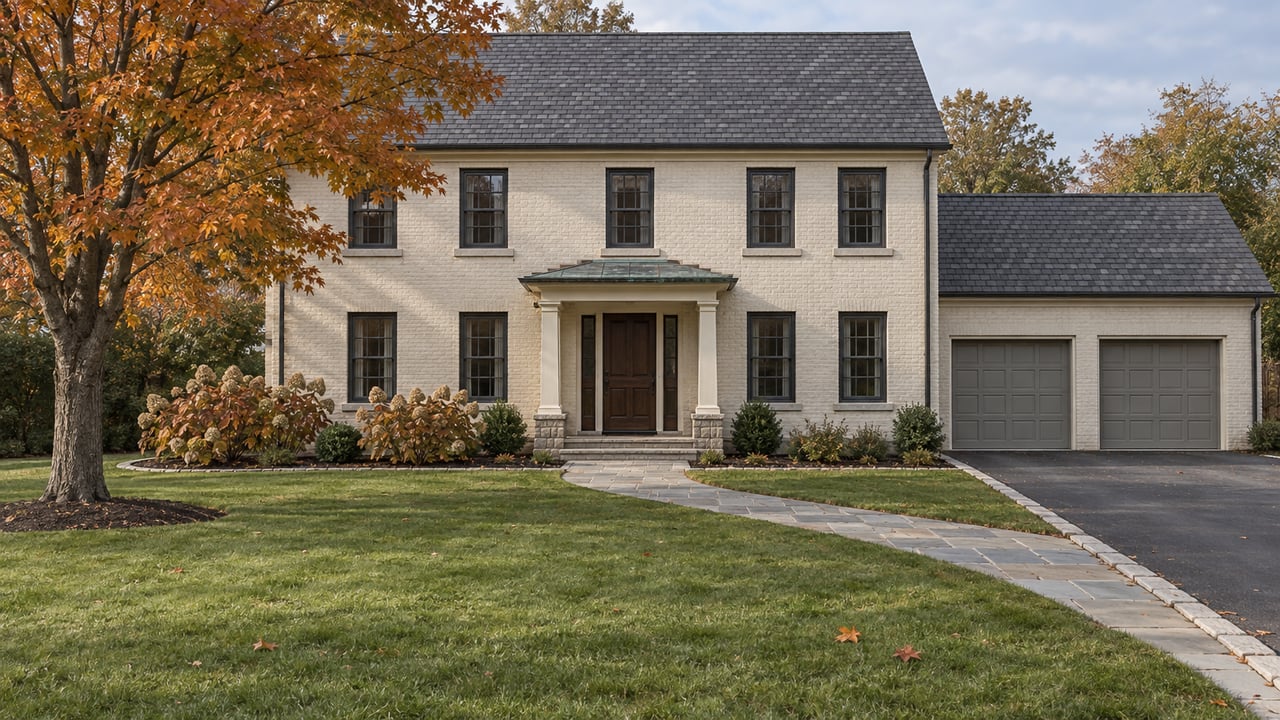
Are you hearing that River Vale is a “seller’s market,” but wondering what that actually means for your move? You want a clear, local answer, not industry jargon. In this guide, you’ll learn the simple metrics that define a seller’s market, how to read them for River Vale, and what they mean for your pricing, offers, and timing. Let’s dive in.
Seller’s market basics
A seller’s market happens when buyers outnumber available homes. The result is faster sales and firmer prices. You can spot it by watching a few key metrics.
- Active inventory: the number of homes for sale that are truly available at a point in time.
- Sales velocity: the number of homes selling per month.
- Months of supply (MOS): Active listings ÷ Average monthly sales.
- Under 3 months = strong seller’s market
- Around 3 to 6 months = balanced
- Over 6 months = buyer’s market
- Absorption rate: Average monthly sales ÷ Active listings. Higher means inventory gets purchased faster.
- Days on market (DOM): time from list to contract. Shorter DOM signals strong demand.
- List-to-sale price ratio: Sale price ÷ List price. Ratios near or above 100% indicate pricing power for sellers.
These are industry guidelines. Local nuance matters, especially in smaller towns like River Vale.
How to tell if River Vale is a seller’s market
Step 1: Gather the right local data
Pull a 3- to 6-month rolling snapshot for River Vale single-family homes:
- Current active listings
- Closed sales per month
- Median DOM
- Median list price and median sale price
- Indicators of demand intensity, such as multiple-offer notes if tracked
Step 2: Run the simple calculations
- Months of supply = Active listings ÷ Average monthly sales
- Absorption rate = Average monthly sales ÷ Active listings
- List-to-sale price ratio = Median sale price ÷ Median list price
Use rolling averages to smooth out small-sample swings.
Step 3: Interpret with local context
Compare River Vale’s MOS and DOM to Bergen County and nearby towns to see if supply is tighter or looser. Treat the numbers as directional signals rather than absolutes.
Step 4: Adjust for seasonality and home type
River Vale, like many North Jersey suburbs, has busy spring markets and slower winters. Track the same month year over year, and focus on single-family trends since they dominate local housing stock.
Why River Vale often leans tight on supply
River Vale is a suburban Bergen County township with mostly single-family homes and established neighborhoods. That structure can limit turnover and new construction. A few factors often nudge the market toward lower supply and steady demand:
- Limited new development: Fewer parcels and single-family zoning mean fewer new listings over time.
- Commuter access: Proximity to employment in the NYC metro area supports consistent buyer interest.
- Local amenities and district reputation: Community features and school district reputation can keep River Vale on buyer shortlists.
- Seasonality and micro-markets: With a small base of listings, a handful of new or withdrawn homes can shift the data quickly.
What it means for your move
If you’re selling
- Pricing strategy: When inventory is tight, a correctly priced home can attract strong interest. Some sellers price at market to drive traffic, while others use a slightly under-market list to encourage competition. Watch DOM and list-to-sale ratios to set expectations.
- Contract terms: Shorter inspection periods, fewer contingencies, and quicker closings are common when demand is high. Pre-inspections, clear title, and completed repairs can keep negotiations clean and timelines faster.
- Marketing and timing: Quick, high-quality launch matters. Professional photos, compelling descriptions, and strong exposure help you capture peak attention in the first week.
If you’re buying
- Preparation and speed: Get a mortgage pre-approval, have your documents ready, and move quickly on homes that fit.
- Offer strategy: Consider escalation clauses, strong earnest money, or flexible closing terms. Decide upfront which contingencies you must keep. If you reduce protections, understand the tradeoffs and ask about alternatives such as inspections with limited repair requests.
- Price and appraisal risk: In a seller’s market, prices can go above list. If you are financing, prepare for appraisal gaps by knowing your top number and cash cushion.
Quick River Vale scenarios (hypothetical)
These examples show how the metrics translate into real outcomes. Always check current local data before acting.
Scenario A: Tight market
- Data: MOS = 2 months; median DOM = 8 days; many listings exceed asking.
- Seller outcome: multiple offers likely; room to negotiate shorter inspection and quicker close.
- Buyer outcome: act fast with a strong offer and clear financing.
Scenario B: Balanced market
- Data: MOS = 4 to 5 months; median DOM around 30 days; list-to-sale near 98 to 100%.
- Seller outcome: fair market price with solid marketing; fewer bidding wars.
- Buyer outcome: more time, more negotiation room, fewer concessions.
Scenario C: Buyer’s market
- Data: MOS over 7 months; longer DOM; softening prices.
- Seller outcome: price to sell and expect concessions.
- Buyer outcome: more leverage on price and terms.
Simple checklist to gauge today’s market
- Pull River Vale single-family active listings, closed sales for the past 3 and 6 months, median DOM, and list-to-sale ratio.
- Compute months of supply and absorption rate.
- Compare to Bergen County and nearby towns.
- Re-check the same month last year and adjust for season.
- Confirm any multiple-offer patterns in the MLS notes if available.
How Team Deutsch helps you move with confidence
You deserve a plan that blends local data with polished marketing and clear, steady guidance. Team Deutsch is a boutique two-person team at Keller Williams Valley Realty, focused on Bergen County single-family homes and condos. The team pairs a marketing-first approach with hands-on service to help you hit the market with confidence and negotiate strategically.
- Professional launch and presentation powered by a Luxury Presence site and Keller Williams systems.
- Neighborhood insight and clear pricing strategy based on local metrics and rolling averages.
- Proven performance highlighted by a 103.3% sale-to-list ratio cited for 2024 and top 10% office volume.
Whether you are selling, buying, or both, you get direct access to experienced agents who keep your move organized and your decisions grounded in local data.
Ready to understand today’s numbers for your home or neighborhood? Reach out to Sara Deutsch for a quick, local read and a clear plan.
FAQs
What does “months of supply” mean in River Vale?
- Months of supply is active listings divided by average monthly sales. Under 3 months usually signals seller’s market conditions in many suburbs.
How fast do homes sell in a seller’s market?
- Days on market tends to shorten. When demand is strong, many homes go under contract in the first one to two weeks.
How should I price my River Vale home if demand is high?
- Price at market based on recent comparable sales and watch DOM and list-to-sale ratios. Consider slight under-market pricing only if your goal is to spark competition.
How can a buyer compete without overpaying?
- Get pre-approved, act quickly, and set a firm ceiling before you bid. Use strong terms and consider escalation clauses while protecting your key contingencies.
Is River Vale always a seller’s market?
- No. Conditions change with inventory, rates, and season. Use 3- to 6-month rolling averages and compare to Bergen County to see the current trend.
Where can I find current data for River Vale?
- Work with a local agent who pulls MLS numbers for active listings, sales, DOM, and list-to-sale ratios. County and state association reports are also useful context.